Natural Assets—Playing a Leading Role in Climate Mitigation
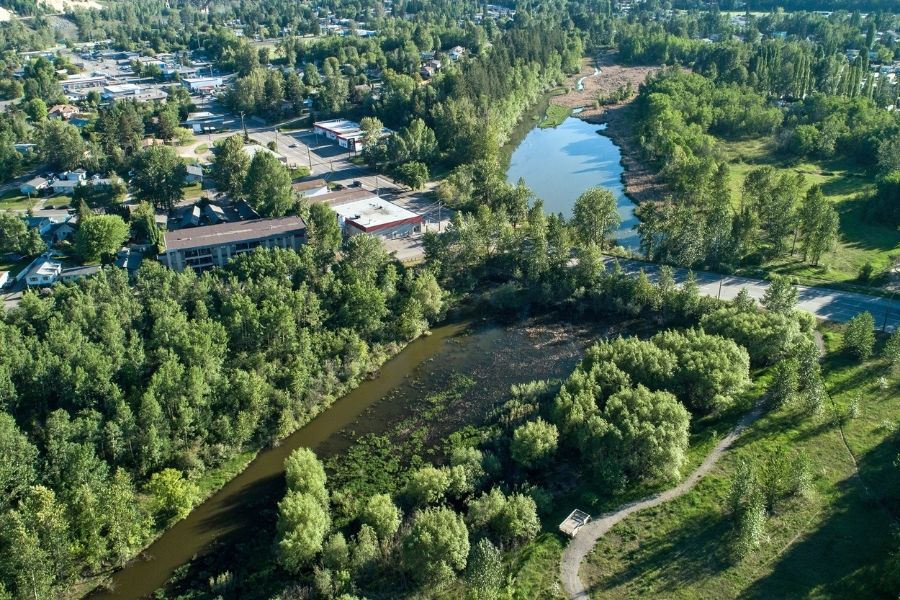
Winding through Prince George neighbourhoods, with the mighty Fraser River on one end and northern B.C.’s endless boreal forest at the other, the Hudson’s Bay Wetland may seem like a humble piece of nature. However, when it comes to adapting and mitigating the impacts of climate change, even a humble, urban marsh is an important–and valuable–asset.
As cities realize the importance of these “natural assets” (trees, green spaces, river courses and, especially, wetlands) to living with more wild fires, floods, droughts, heat waves and other extremes, they are beginning to treat them more like they do built infrastructure. Prince George is a leader in this effort.
“As a city we’ve always needed to know what assets we have–buildings, roads, sewers–what they are worth and when they need replacement,” says Kristy Bobbie, the Manager of Asset Management with the City of Prince George. “Now we are valuing our natural assets the same as we do for our engineered infrastructure.”
Putting a price on nature
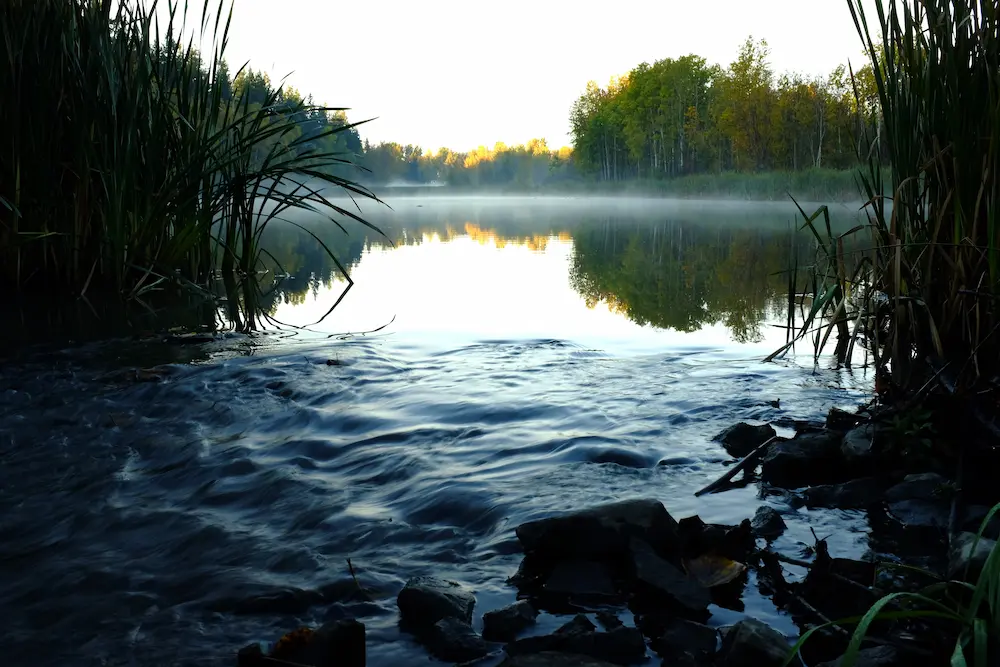
Natural assets are defined as natural resources or ecosystems that provide services to a community. Think: shade from trees, lakes storing water, the biodiversity value of a forest, and the recreational benefits of green spaces. Local governments want to better understand those services, track their condition, and be able to compare them to other assets. Plus there is an expectation that the federal government will soon mandate that local governments track their natural assets.
To that end Prince George partnered with Novion, a Vancouver company, to pilot a natural asset valuation system. Using the City’s data and its own inventories, Novion catalogued all the natural assets in the city limits, including trees, grasslands, and wetlands. Its software uses satellite imagery and artificial intelligence to monitor the condition of the assets over time, alerting city staff to, say, a dying grove of trees or an eroding river bank that would be hard for a person to see from aerial photos. And, maybe most importantly, Novion is helping Prince George put a dollar value on the natural assets.
They do this using two measures. The Service Value quantifies the benefits the natural asset provides and the Direct Replacement Cost is what it would cost to build an engineered alternative.
Making better investments
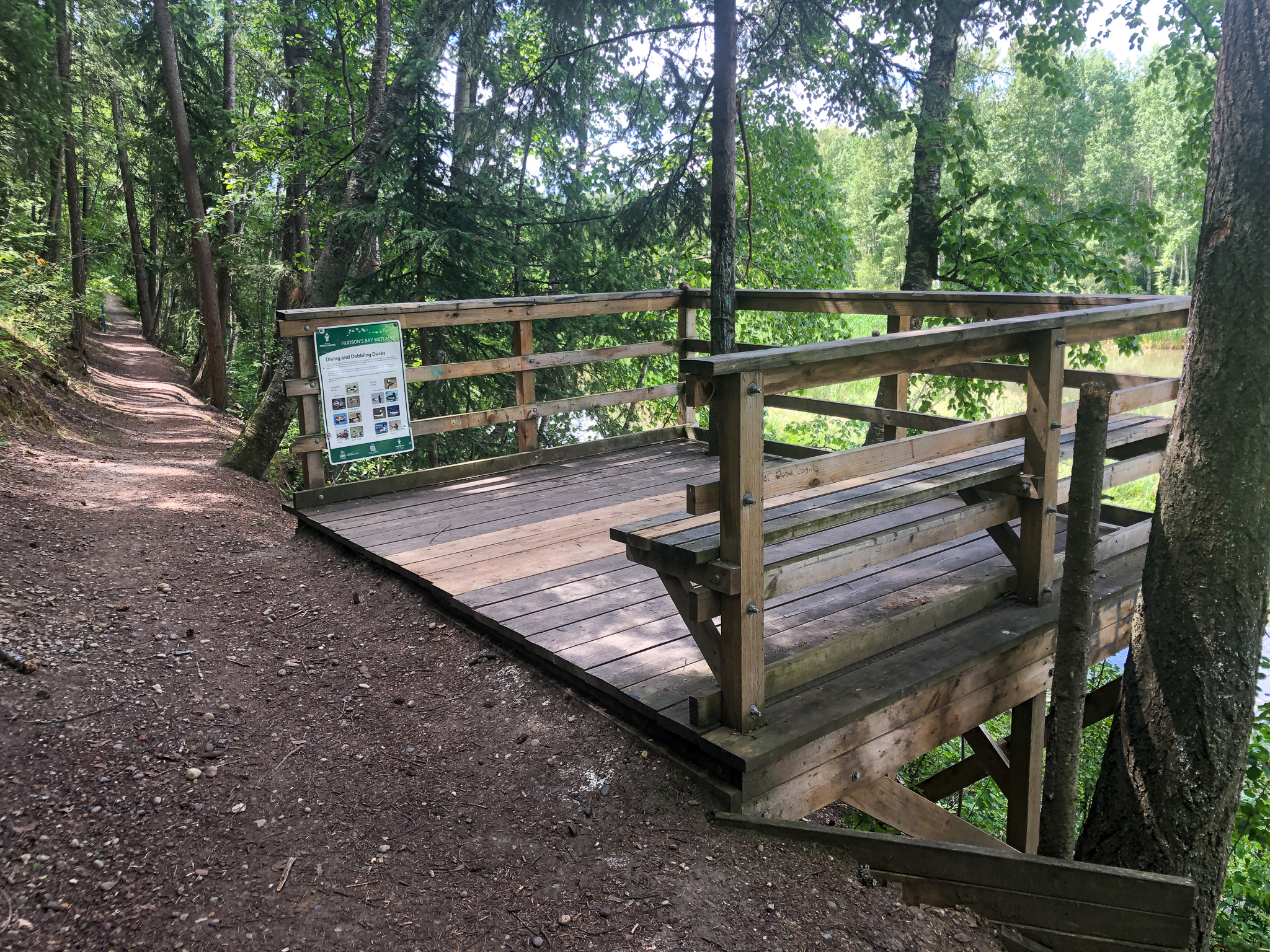
The Hudson’s Bay Wetlands service value is $4.3-million per year in water filtration, carbon sequestration, flood mitigation, groundwater recharge, recreation, biodiversity and more. Its direct replacement cost is $5.7-million because that’s what building a similar capacity stormwater filtration facility would cost.
With these numbers the City has a more complete picture of its assets, natural and man made, says John Nguyen, one of the founders of Novion. With the increased uncertainty due to climate change that’s important.
“We’re helping the city better compare all its assets, apples to apples, so they can make better decisions about where to put their money,” says Nguyen. “It really helps cities in their efforts to be more sustainable and resilient in the face of climate change.”

About the Author
Ryan Stuart has two loves: being active, especially outdoors, and writing. His best days combine the two. Ryan is a contributor to many outdoor and adventure sport magazines and websites and writes blog posts and hosts webinars for the Outdoor Recreation Council of BC. He’s based in the Comox Valley on Vancouver Island. You can follow his work on Instagram @Ryan_adventures